
Introduction
Group hiking is the perfect opportunity to get into nature, to better your teamwork, and to make unforgettable memories with your friends, family, or adventure partner. Walking through forests mountains and scenic trails provides an excellent escape from hectic routines. While a successful hiking trip needs appropriate planning, especially with a larger group.
If you are a beginner, you may be wondering how to arrange an epic group hiking trip since planning a hike is different from planning a typical holiday.* A hiking adventure consists in picking the right trail, ensuring we have necessary equipment, food, and water, what safety is needed, and making sure everyone is feeling well.
Group hiking makes risks manageable. However, one that provides the foundation of a day hike in nature, or even a multi-day trek.
Choose the Right Hiking Destination
The the initial stage of organizing a group hike is simply choosing a destination that will work for everyone. A novice can find a trail that an expert can walk with excessive ease. A good place to also understand the skillsets of all members of the group before deciding on the location.
Keep these in mind while choosing a hiking trail:
-
Difficulty level of the route
-
Total hiking distance
-
Elevation gain
-
Weather conditions
-
Trail accessibility
-
Availability of water sources
-
Emergency facilities nearby
This is a balanced trail: challenging enough to keep the experienced hiker entertained, and gentle enough for a novice to enjoy.
Important Trail Planning Factors
| Factor | Importance |
|---|---|
| Distance | Assists in approximation of hiking duration and energetic need |
| Altitude | Determines physical difficulty |
| Weather | Aids in preparing appropriate apparel and equipment |
| Trail Condition | Helps identify possible challenges |
| Location Access | Makes transportation planning easier |
Understand Your Group Members
Well, you know, the success of a hiking excursion relies a great deal upon the people with whom the adventure is embarked on. Each human being has their own condition, experience in hiking, and willingness to which they feel comfortable.
Before finalizing the trip, discuss:
-
Previous hiking experience
-
Physical fitness level
-
Health concerns
-
Personal expectations
-
Available time
If you have a mixed ability group, find a route that enables everyone to take part. The pace of the hike should dictated by the slowest person so that nobody falls behind.
A well understood trip avoids cliffhangers along the way to the destination.
Create a Realistic Budget
Budgeting is, undoubtly, a key step when organizing any outdoor experience. Since group trips invariably involve shared expenses, good advance planning around costs helps everyone to be ready financially.
Common hiking expenses include:
-
Transportation
-
Accommodation or camping fees
-
Food supplies
-
Equipment rental
-
Guide charges
-
Permits
-
Emergency expenses
Create a joint budget sheet with the session budget and determine what each participant will pay.
Sample Hiking Budget Plan
| Expense | Details |
|---|---|
| Transport | Fuel, Bus, Train, or taxi costs |
| Food | Meals, snacks, and beverages |
| Stay | Campsite, hotel, or guesthouse |
| Equipment | Rental or purchase costs |
| Emergency Fund | Additional backup money |
Map out the route and your hiking timetable
A well-developed itinerary will ensure group hiking goes safely and smoothly. At the outset, everybody ought to be aware of the route, timing and key stopping points.
Your hiking plan should include:
-
Starting location
-
Trail map
-
Distance covered each day
-
Rest points
-
Meal breaks
-
Overnight locations
-
Return schedule
Do not schedule every minute of the trip. The weather, the trail conditions, and even delays can swiftly turn outdoor conditions from decent to less than ideal.
This semi-flexibility means that the group can enjoy the scenery at a relaxed pace and without the worry of being able to keep up.
Check Weather Conditions Before Departure
The weather has a huge impact on hiking safety. Whether it is rain, excessive heat, snow, or high winds, the weather can complicate or imperil the trails.
Be overtime to check the weather before heading out.
Seasonal Preparation Tips
Summer Hiking
-
Carry sufficient water
-
Wear breathable clothing
-
Use sunscreen and sunglasses
-
Stay away from hiking around peak afternoon heat
Winter Hiking
-
Carry warm layers
-
Use proper footwear
-
Prepare for cold temperatures
Rainy Season Hiking
-
Carry waterproof jackets
-
Protect electronic devices
-
Be careful on slippery paths
Being aware about the weather in coming 1–2days enables the group to take good decisions.
Prepare Essential Hiking Gear
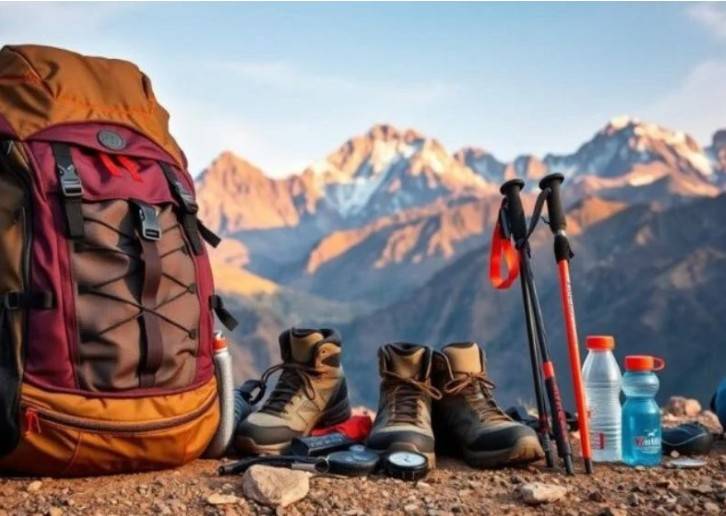
The right equipment increases comfort and safety. What you’re going to bring will depend on your trail length, you local, and the weather.
Personal Hiking Essentials
-
Comfortable hiking shoes
-
Backpack
-
Water bottle
-
Weather-appropriate clothes
-
Sunglasses
-
Hat
-
Personal medication
Group Equipment
-
First aid kit
-
Navigation tools
-
Power bank
-
Emergency communication device
-
Extra food supplies
-
Headlamps
Check all equipment to make sure everything is working as it should before heading off on the trip.
Organize Food and Water Planning
Hiking, as a physical activity, will require proper nutrition and hydration, as the physical exertion increases the energy needs of the body as well.
Opt for light and nourishing foods like:
-
Dry fruits
-
Energy bars
-
Fruits
-
Sandwiches
-
Instant meals
-
Chocolate
-
Electrolyte drinks
Water planning is equally important. Investigate about water sources along the way. Pack water purification tablets or filters if needed.
Assign Responsibilities Among Group Members
Job delegation makes group management easier. This allocating of roles allows for better coordination and eliminate hidden confusion.
Possible responsibilities include:
| Role | Responsibility |
|---|---|
| Leader | Overall trip coordination |
| Navigator | Route management |
| Safety Member | First aid and emergency handling |
| Food Manager | Meal planning |
| Equipment Manager | Shared gear organization |
Hiking is better with folks and everyone shares the load.
Follow Hiking Safety Rules
Above all, safety should always come first in all outdoor activities. That difficult trail, however, can pose some challenges if refraining from proper precautions.
Important safety practices include:
-
Stay with the group
-
Follow marked trails
-
Carry emergency contacts
-
Inform others about the itinerary
-
Avoid risky shortcuts
-
Respect weather warnings
Any group of responsible individuals will always opt for safety over fast completion of a route.
Respect Nature During Your Adventure
Responsible hiking preserves natural environments. Each visitor has a responsibility to protect forests, mountains, and wildlife areas.
Follow these simple principles:
-
Carry your waste back
-
Avoid damaging plants
-
Respect wildlife
-
Reduce plastic usage
-
Avoid unnecessary noise
-
Follow local regulations
And leaving nature clean, that way in the future hikers will cherish the same wonders.
Conclusion
How to Plan a Group Hiking Trip: guide to preparation, teamwork and safety A perfect adventure is all about selecting a great destination, knowing group skill levels, preparing gear and planning a sound trip.
It’s Harder Than You ThinkA successful hike – and that means one where you get to the destination. It’s about the love of racking up the miles, wearing your team kit with pride and creating great outdoor experiences.
But with the right planning — and practicing responsible hiking on the trail — your next excursion with a group can provide all the aspects of adventure, camaraderie and nature you seek.
How to Plan a Birthday Road Trip: A Complete Guide for an Unforgettable Celebration
Pingback: The Best Road Trip Apps for Stress-Free Driving -